How Coastal Storm Leaks Cause Hidden Wall Mold in Myrtle Beach
The Anatomy of Wind-Driven Rain in Severe Atlantic Storms
Living along the Grand Strand means experiencing the raw, unpredictable power of Atlantic tropical storms, nor'easters, and seasonal hurricanes. When evaluating the need for professional mold remediation Myrtle Beach, homeowners often assume that severe water damage requires obvious, catastrophic standing water or roof blow-offs. In reality, some of the most dangerous and costly structural contamination occurs when tropical storm-force winds drive torrential rain sideways, forcing moisture through microscopic exterior seams that are completely watertight during ordinary rainfall.
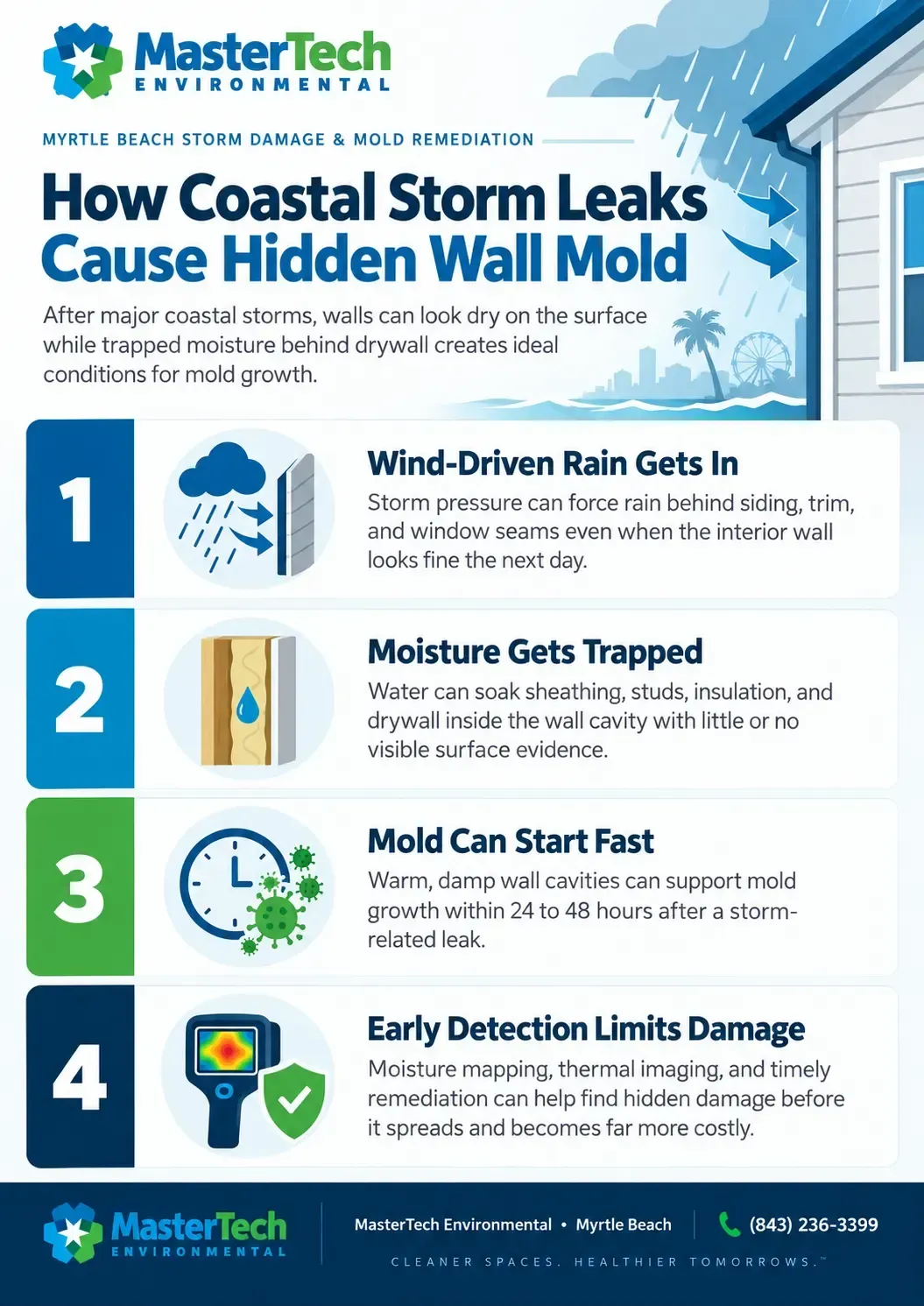
Wind pressures during a severe coastal storm push water past vinyl siding weep holes, behind stucco expansion joints, and through aging sealant around coastal window casings. While your interior drywall may feel dry to the touch the morning after the storm, gallons of rainwater can become trapped inside the insulated wall cavities, initiating an aggressive biological countdown.
The Wind-Driven Rain Mechanism in High-Velocity Hurricane Zones
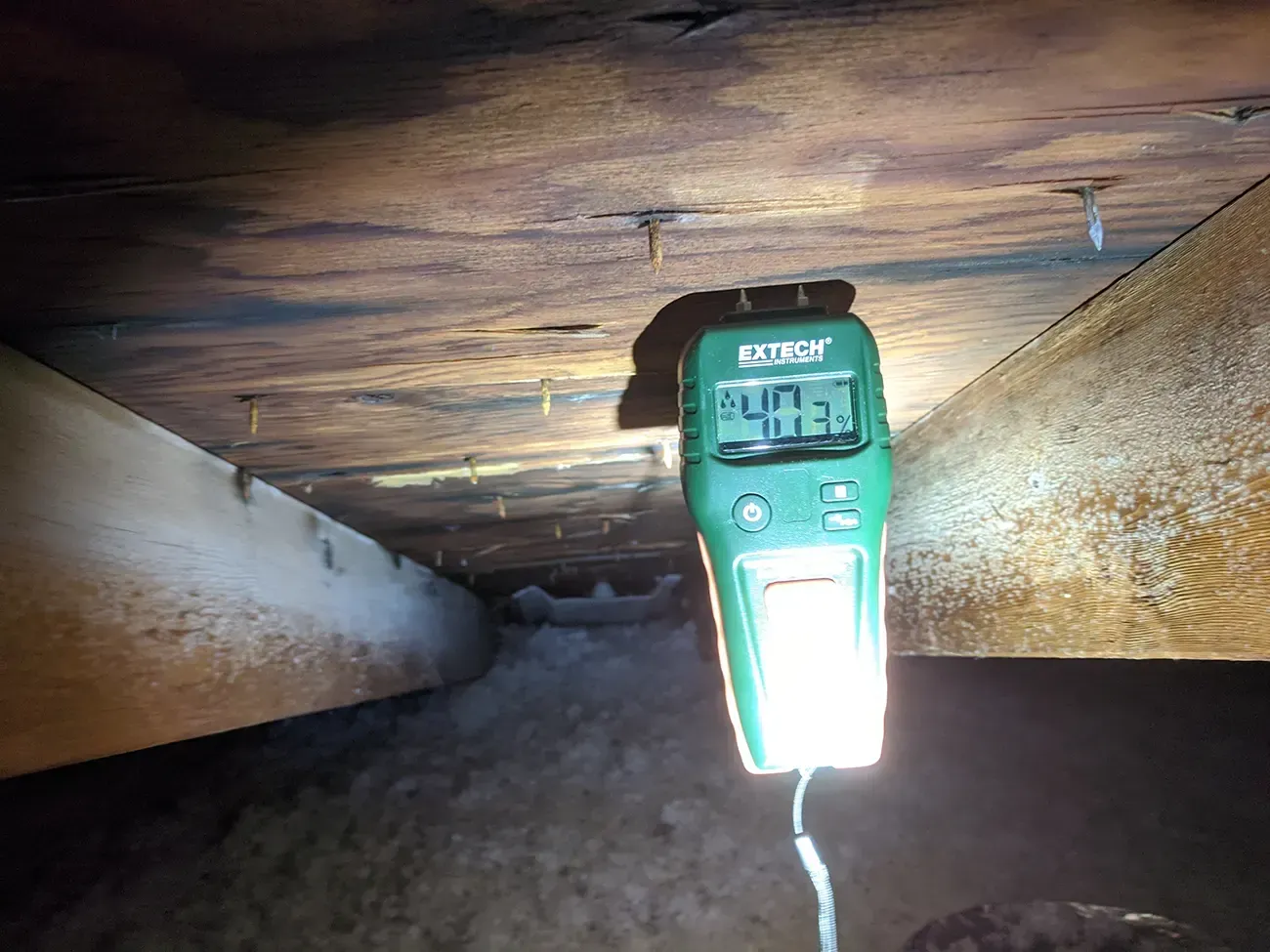
During severe Atlantic weather events, sustained wind speeds exceeding 60 miles per hour exert intense positive pressure on windward exterior walls. Standard residential cladding materials—including vinyl lap siding, fiber cement planks, and exterior stucco—are engineered to shed vertical gravity rainfall, not resist pressurized horizontal deluges.
Wind forces driving rain upward underneath siding overlaps, driving moisture past the weather-resistive barrier (house wrap). Once water breaches this protective plane, it absorbs directly into oriented strand board (OSB) sheathing and vertical timber studs. Because modern homes incorporate interior poly vapor barriers or multiple layers of latex paint, that trapped moisture has zero drying pathway toward the interior. The wall assembly becomes a sealed moisture sandwich, holding gallons of water in complete darkness.
The Threat of Trapped Marine Salt Deposits Inside Framing Cavities
Coastal storm surges and wind-driven ocean rain carry microscopic sea salts deep into building envelopes. Unlike pure inland rainwater, saline stormwater introduces severe long-term chemical complications to timber framing.
● Extreme Hygroscopic Absorption: Sea salt crystals deposited within wall cavities are intensely hygroscopic, actively pulling moisture from humid indoor air even on bright, sunny days and keeping framing timbers perpetually damp.
● Accelerated Fastener Corrosion: Saline moisture rapidly corrodes steel drywall screws, framing anchors, and galvanized hurricane ties, compromising structural connections behind finished sheetrock.
● Persistent Fungal Fuel: The chronic micro-dampness maintained by salt deposits provides continuous biological moisture, allowing halotolerant and toxigenic mold species to flourish indefinitely.
The 48-Hour Biological Countdown: Why Wall Cavities Are Vulnerable
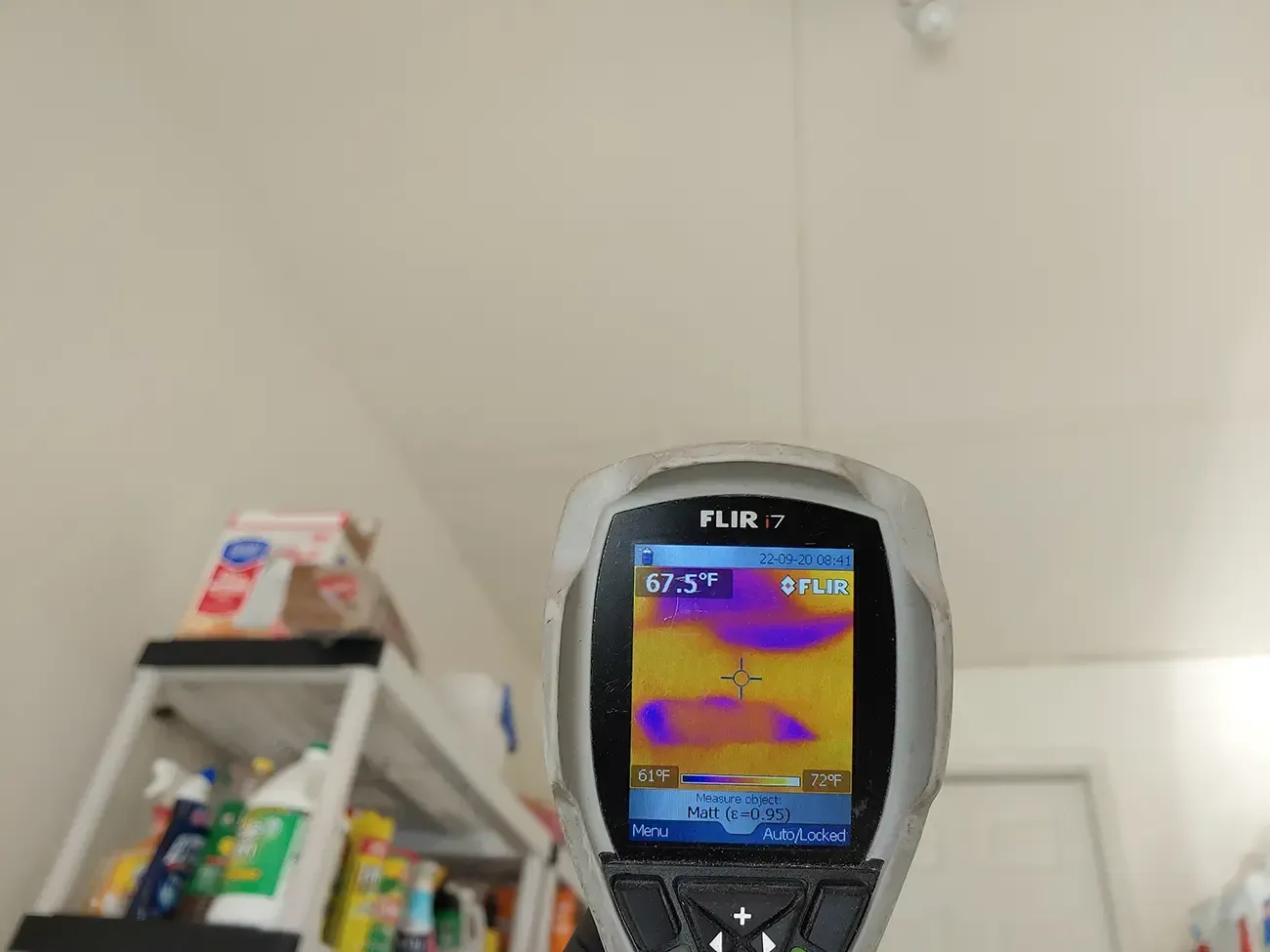
Fungal spores exist naturally in outdoor air, waiting for three basic environmental conditions to flourish: moisture, warmth, and an organic food source. Wall cavities in coastal homes provide an ideal microbial incubator.
● Trapped Moisture Without Ventilation: Unlike an exterior wall surface that dries out in the coastal sunshine, water trapped between exterior house wrap and interior vapor retarders has zero airflow to evaporate.
● Abundant Organic Food Sources: The paper backing on gypsum drywall, cellulose wood framing studs, and accumulated jobsite dust inside wall cavities provide rich organic nutrients.
● Ideal Incubation Temperatures: With summer and autumn coastal temperatures hovering between 75 and 90 degrees Fahrenheit, fungal spores germinate and establish blooming colonies within 24 to 48 hours.
Because exterior siding and interior paint act as moisture-blocking barriers, weeks or even months can pass before homeowners spot outward signs of trouble. By then, the interior cavity is thoroughly colonized by toxigenic molds like Stachybotrys chartarum and Chaetomium, which thrive on persistently soaked cellulose materials.
Comparing Rapid Professional Mitigation with Delayed Discovery
| Operational Parameter |
Immediate Post-Storm Diagnostic Assessment |
Delayed Discovery After Symptoms Appear |
| Detection Method |
FLIR Infrared Thermography and Non-Invasive Moisture Meters |
Visual staining, drywall crumbling, and offensive musty odors |
| Remediation Scope |
Targeted cavity drying and localized drywall access |
Full-scale gutting of multi-room exterior walls and framing restoration |
| Structural Impact |
Framing studs preserved; zero structural wood decay |
Severe dry rot in bottom plates, sill plates, and sheathing plywood |
| Health & Spore Load |
Airborne spore levels contained before widespread amplification |
Millions of microscopic mycotoxins distributed into indoor living air |
| Insurance Viability |
Clear documentation linking damage directly to the storm event |
Claims frequently contested by insurers citing "long-term neglected rot" |
| Total Repair Costs |
Localized drying costs typically under $2,000 to $3,500 |
Major structural remediation and reconstruction often exceeding $20,000 |
Subtle Red Flags of Hidden Cavity Moisture in Coastal Properties
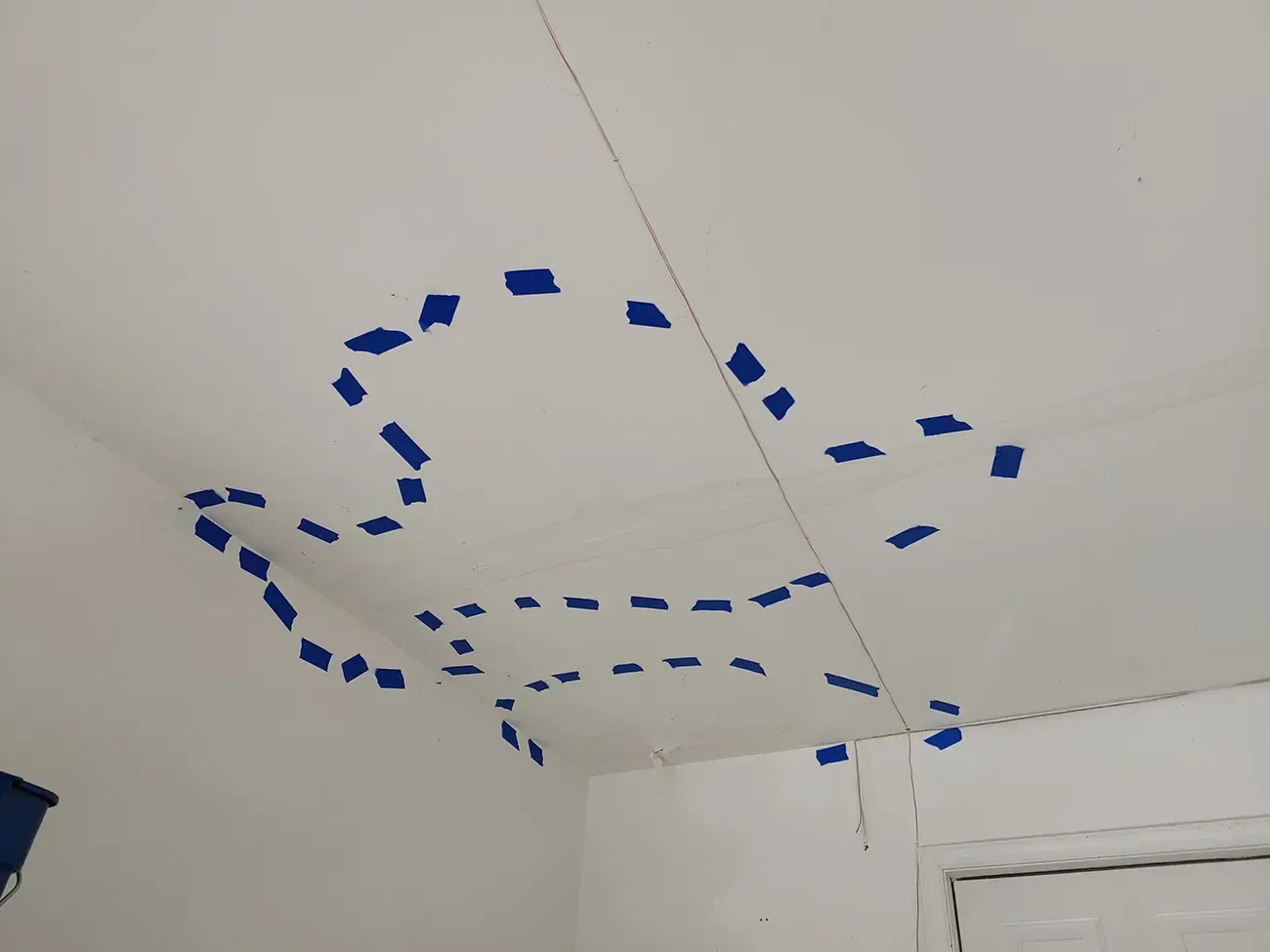
Grand Strand property owners should conduct a thorough interior inspection after any significant tropical storm or hurricane.
Watch for these subtle warning signs:
● Baseboard Warping or Separation: Wooden baseboards absorbing moisture from the bottom wall plates may begin to cup, warp, or pull slightly away from the sheetrock.
● Electrical Outlet Odors: Air currents moving through electrical wall outlet boxes often carry a pungent, earthy smell from inside damp wall cavities.
● Paint Bubbling or Peeling: Moisture migrating from the interior cavity pushes against latex paint films, creating small water blisters or peeling tape joints.
Structural Cavity Drying Technology vs Full Demolition
When water intrusion is detected within the first 24 to 48 hours, certified technicians can often save drywall and insulation using specialized high-pressure structural cavity drying systems (such as Injectidry equipment). By removing baseboards and drilling tiny, unnoticeable 3/8-inch ports into wall cavities, technicians inject super-dry, heated air under positive pressure, forcing moisture out through relief points without gutting the room.
However, if water sits undisturbed for more than 48 hours, microbial colonization takes hold. Under the IICRC S520 standard for professional mold remediation, once fungal hyphae penetrate the porous paper backing of drywall, drying is no longer an acceptable solution—the material must be physically removed under containment to prevent airborne contamination.
The Certified Remediation Process for Storm-Damaged Walls
Simply placing residential box fans in a room will not dry out insulated wall cavities; in fact, blowing air across moldy surfaces can disperse millions of spores throughout your home. Certified remediation follows rigorous IICRC S520 containment standards.
Specialists establish critical containment barriers using heavy plastic sheeting and negative air machines equipped with HEPA filtration. Contaminated drywall and wet fiberglass batt insulation are surgically removed and double-bagged for safe disposal. Exposed structural framing studs are physically cleaned, wire-brushed, treated with EPA-registered botanical antimicrobials, and thoroughly dried using industrial LGR dehumidifiers to moisture levels below fifteen percent before reconstruction begins.
Defending Your Coastal Haven Against Hidden Storm Damage
Tropical weather is an undeniable reality of coastal life in Myrtle Beach, but catastrophic structural mold damage does not have to be. Acting swiftly following a major weather event is the single most effective way to protect your property and your family.
If your home has weathered a powerful coastal storm or if you suspect water penetrated your building envelope, schedule a professional thermal imaging inspection immediately. Catching hidden wall moisture before mold takes hold preserves your home's framing, protects indoor air quality, and keeps your beachside retreat safe and sound.