Mold Was Found in a Myrtle Beach Home: What Can Stay and What Should Go?
Mold in a Myrtle Beach home does not always start with a dramatic leak. Sometimes it starts with a musty closet, a damp crawlspace, a guest room that stayed closed too long, an attic with poor airflow, or a storage area near an AC or plumbing issue. By the time a homeowner notices the smell, staining, or visible growth, the worry spreads fast. Boxes, rugs, furniture, clothing, photos, drywall, books, pillows, and keepsakes all start to feel unsafe.
At Mastertech Environmental of Myrtle Beach, we do not view a mold-affected space as a single giant trash pile. We look at the materials, the moisture source, how long the moisture was present, and whether affected items can be fully cleaned and dried. For homeowners comparing mold inspection Myrtle Beach resources, the useful question is not only whether mold is present. It is what got wet, what absorbed moisture, what stayed dry, and what needs a slower decision before anything is thrown away.
Coastal Homes Make Moisture Decisions More Complicated
Myrtle Beach homes deal with moisture in ways that are easy to overlook. Humid air, crawlspace conditions, storm water, roof leaks, AC performance, plumbing issues, and closed-up rooms can all affect how materials behave. A vacation property or second home can make the problem harder because a leak, odor, or damp area may sit unnoticed longer than it would in a primary residence.
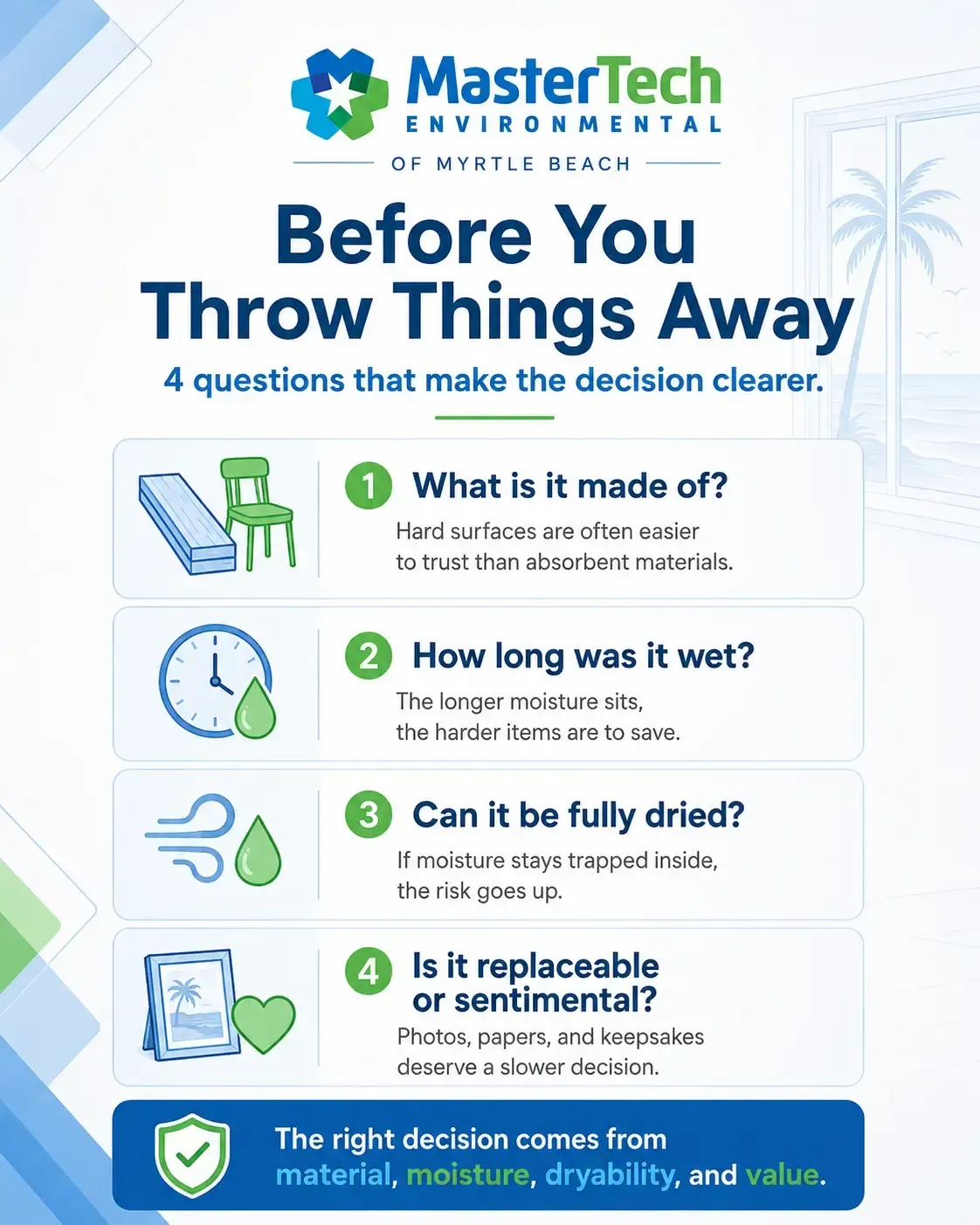
That is why the first decision should not be, “Is everything ruined?” The better question is, “Which materials were affected, and how did those materials handle the moisture?” A plastic storage bin and the paper inside it need separate decisions. A metal shelving unit and the cardboard boxes below it do not carry the same risk. A damp rug and the finished floor beneath it should not be treated as a single item.
Public health and cleanup guidance uses the same basic logic. Moisture comes first, and then the decision turns on whether the affected material can be fully cleaned and dried. In a coastal home, that often means looking beyond the visible spot and paying attention to crawlspaces, closets, attics, baseboards, storage corners, lower cabinets, and anything sitting against a damp wall or floor.
Before throwing things away, ask the following:
- Was the item directly wet, or only near the affected area?
- Did the material absorb moisture?
- How long did it stay damp?
- Is the affected surface visible and reachable?
- Does the item have hidden layers, seams, backing, padding, or paper?
- Is the item replaceable, valuable, or sentimental?
Those questions slow the decision down. They also keep the room from turning into one emotional pile. Some items are more realistic to save. Some are not worth the risk. Some need closer review because the answer is not obvious from the outside.
Hard Items Usually Give You the Clearest Starting Point
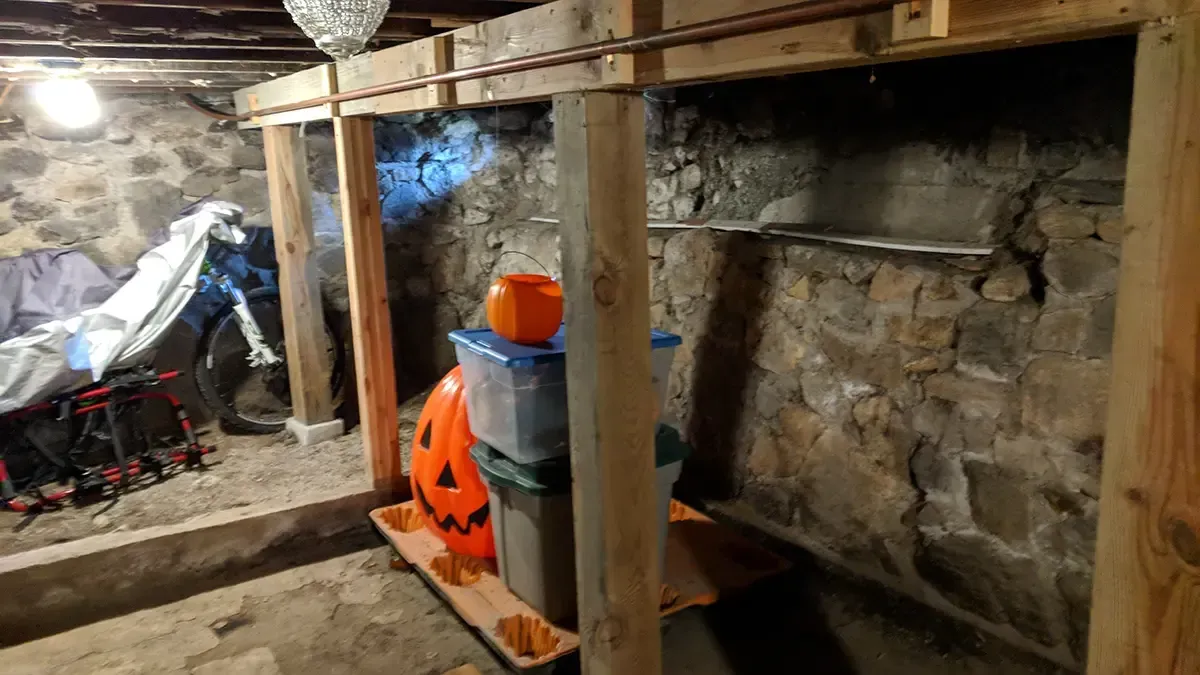
Hard, non-porous items are usually easier to judge because they do not absorb water the way paper, padding, drywall, or fabric does. In a Myrtle Beach home, that may include plastic storage bins, metal shelving, ceramic dishes, tile surfaces, glass picture frames, sealed stone, and some finished hard surfaces. These items often give you one main surface to inspect.
If the surface is smooth, intact, visible, and reachable, the item often belongs in the review-and-clean category instead of the automatic-disposal category. EPA guidance treats hard surfaces differently from absorbent materials because hard surfaces are more reachable and less likely to hold moisture below the surface. That distinction matters when a homeowner is trying to sort a damp closet, storage room, crawlspace-adjacent area, or room affected by a leak.
Hard does not mean automatic save. A plastic tote may have a non-porous shell, but the papers inside may be damaged. A tile surface may be hard, but grout, loose tile, or wet material underneath changes the decision. A metal shelf may look fine on the visible surface, but rust, hollow legs, or trapped moisture around joints deserve a closer look.
| Item in the affected area | Why it often deserves review | What changes the answer |
| Plastic storage tote | Hard shell, visible surface | Wet contents, lid grooves, trapped moisture |
| Metal shelf | Non-absorbent surface | Rust, hollow legs, hidden seams |
| Ceramic item | Smooth, hard surface | Cracks, unglazed edges, heavy contamination |
| Glass picture frame | Hard exterior surface | Moisture trapped behind glass or matting |
| Tile surface | Hard face surface | Porous grout, loose tile, wet backing |
Cardboard, Drywall, Padding, and Paper Need More Caution
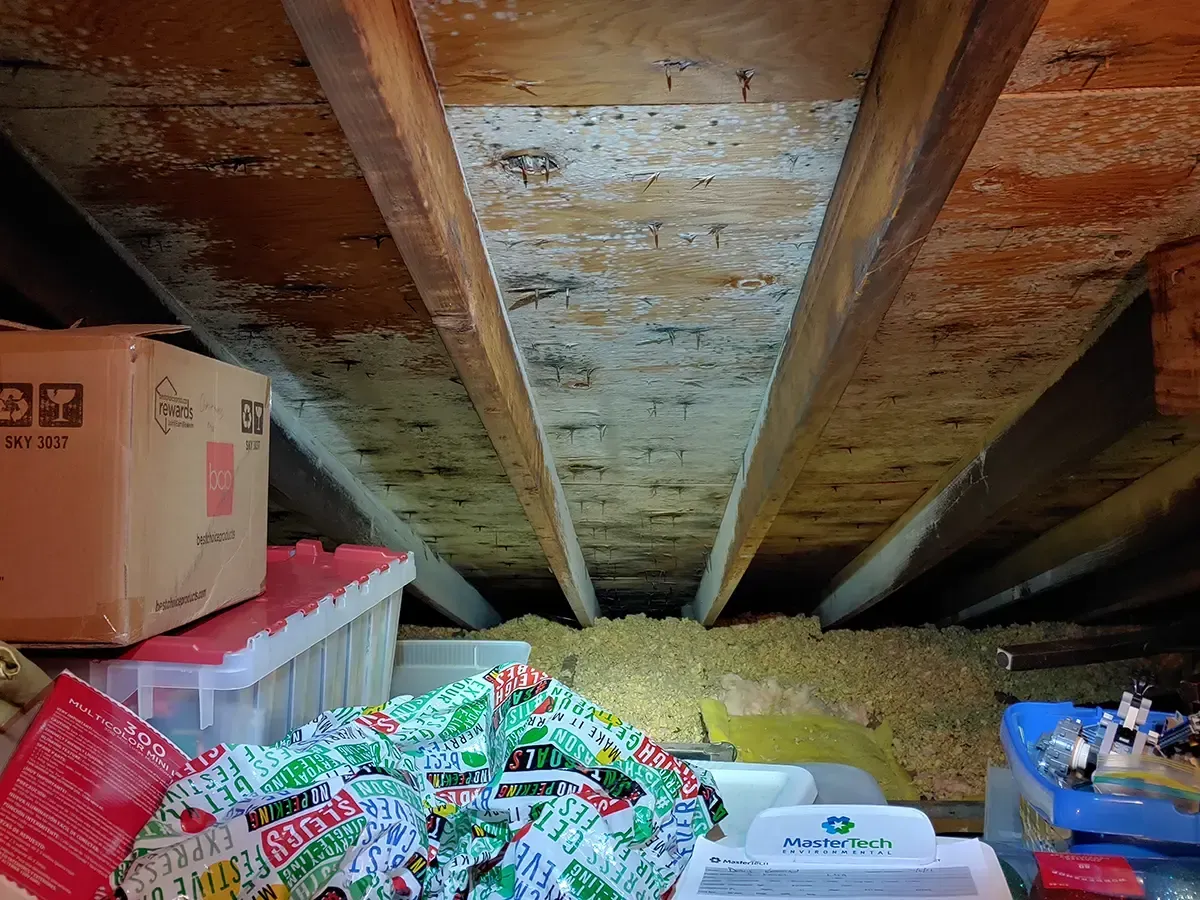
Soft and absorbent materials need stricter decisions because they take in moisture. Drywall, insulation, carpet padding, ceiling tiles, cardboard boxes, paper files, particleboard, pressed wood, and heavily water-damaged furniture do not behave like plastic, metal, glass, or ceramic. They have fibers, paper layers, compressed material, glue, padding, or internal spaces that hold water.
That is where surface appearance can mislead a homeowner. A cardboard box may look stained on one side while moisture has moved through the whole panel. A wall may show a small spot while the paper backing or hidden side has been affected. A carpet may feel dry at the top while the padding underneath stays damp. A pressed-wood cabinet may look normal from the front, while the bottom edge swells because water has moved into the core.
EPA guidance treats absorbent materials more strictly because the concern extends beyond visible mold. The concern is whether moisture and growth have moved into areas that are hard to reach. CDC's 24 to 48 hour drying window gives homeowners a practical way to think about timing. If an absorbent item stayed wet beyond that window and was not fully dried, saving it becomes harder to justify.
These materials deserve more caution when they:
- Feel soft, swollen, warped, or crumbly
- Smell musty after drying
- Have staining on more than one side
- Sat directly on a damp floor
- Have paper, padding, backing, or pressed material
- Cannot be fully reached or dried
The Main Answer Depends on Material, Moisture, and Value
No, mold does not mean everything has to be thrown away. If you are trying to understand mold inspection Myrtle Beach guidance after a leak, crawlspace issue, attic concern, water intrusion, or musty storage-room problem, the answer should come from the materials affected, not the fear caused by seeing mold. Hard surfaces, absorbent materials, layered furniture, and sentimental items all need different decisions.
A hard plastic bin with surface mold is not the same as the damp papers inside it. A metal shelf is not the same as cardboard boxes stored on the lower rack. A washable blanket with brief exposure is not the same as a mattress that stayed damp. A framed photo is not one simple item either. The frame, glass, backing, matting, and image may each tell a different story.
Mattresses, Sofas, and Cushions Need a Higher Standard
Mattresses, pillows, sofas, sofa beds, cushions, and thick upholstered furniture need a higher standard because they are built in layers. The outside may look better before the inside is fully dry. That makes them different from a washable blanket, a hard chair, or a plastic bin.
A sofa has fabric, foam, seams, backing, an underside, and a frame. A pillow has fill that cannot be inspected from the outside. A mattress has fabric, foam, batting, seams, internal layers, and a base that may hold moisture differently from the top. Once these items stay wet or show visible mold, the decision becomes harder.
Ask the harder questions before keeping them:
- Did it sit in water or against a damp wall?
- Does it smell musty after drying?
- Are cushions, seams, or underside areas affected?
- Can the inside be inspected?
- Can the full item dry through all layers?
- Would you feel comfortable using it every day?
Photos, Documents, and Keepsakes Should Not Be Rushed
Myrtle Beach homes often hold family storage in closets, spare rooms, attics, garages, and crawlspace-adjacent areas. Photo albums. Tax files. Children's artwork. Military papers. School records. Framed wedding photos. Books. Holiday ornaments. Family letters. These items may sit near mold without being the source of the problem.
Sentimental items need their own pace. A moldy cardboard box may need to go, but the photos inside deserve a separate decision. A damp frame may be replaceable, but the image inside may not be. A stack of old letters may look fragile, and too much handling may make the damage worse.
For irreplaceable items:
- Separate them from ordinary damaged materials.
- Keep them dry.
- Handle them as little as possible.
- Do not rub or wipe fragile paper or photos.
- Do not stack wet paper together.
- Review the item before throwing it away.
This does not promise everything can be saved. It keeps a bad moment from becoming worse. Replaceable household clutter and irreplaceable family items should not go through the same sorting process.
Mold Does Not Mean Everything Is Lost
Mold in a Myrtle Beach home does not mean every item has to be thrown away. A plastic tote is different from the paper inside it. A metal shelf is different from the cardboard boxes on top of it. A washable blanket is different from a mattress. A damp frame is different from the family photo inside it.
Hard, non-porous items are often more salvageable when the affected surface is intact and reachable. Soft, absorbent, water-damaged materials are harder to trust because moisture may move below the surface. Crawlspace-adjacent storage, closets, attics, and humid rooms need judgment because many stored items have layers, backing, seams, padding, or mixed materials. Mattresses, pillows, and thick upholstered furniture deserve extra caution. Sentimental items deserve patience before disposal.
The goal is not to save everything. The goal is to make the right decision for each material type. Some items are cleanable. Some are not worth the risk. Some need a closer look before anyone decides they are gone for good.