How Plumbing Leaks Lead to Crawlspace Mold in Myrtle Beach
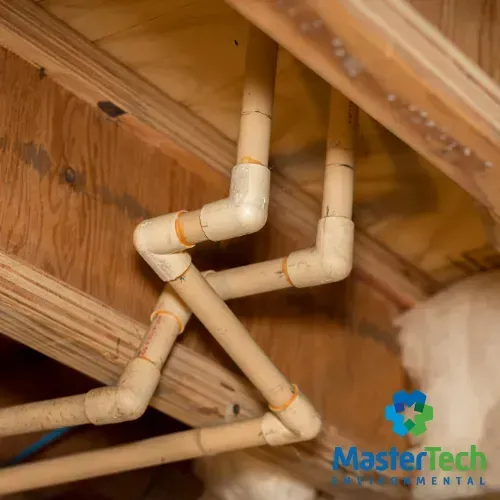
Crawlspace mold in the Myrtle Beach region most often develops quietly and incrementally. It is rarely the result of a sudden plumbing failure or a visible flood. Instead, it emerges from sustained moisture exposure that remains undetected beneath the home for extended periods. In coastal South Carolina, environmental conditions make crawl spaces particularly susceptible to even minor water sources.
Homes along the Grand Strand are built in a climate defined by high humidity, frequent rainfall, and limited natural drying potential. When plumbing leaks introduce moisture into a crawl space, that moisture tends to persist rather than dissipate. Over time, this alters material conditions in ways that support fungal growth and create long-term structural and indoor air quality concerns. Understanding how plumbing leaks contribute to crawlspace mold is essential for protecting homes in this region.
Plumbing leaks are a recurring and well-documented contributor to crawlspace mold in Myrtle Beach. Their impact is not incidental. It results from predictable interactions among moisture sources, building materials, and regional climate conditions.
Sustained Plumbing Leaks as a Primary Moisture Source
Crawlspace mold does not require standing water to develop. In the Myrtle Beach area, it is most commonly driven by low-volume plumbing leaks that remain active for long periods. These leaks introduce moisture continuously rather than episodically, which is especially problematic in crawl spaces where drying is limited.
During crawlspace mold inspection work throughout coastal South Carolina, several consistent conditions are observed when plumbing leaks are present:
- Continuous wetting of structural wood: Slow leaks from supply lines, drain connections, or failed seals keep joists and subflooring above safe moisture thresholds, preventing effective drying.
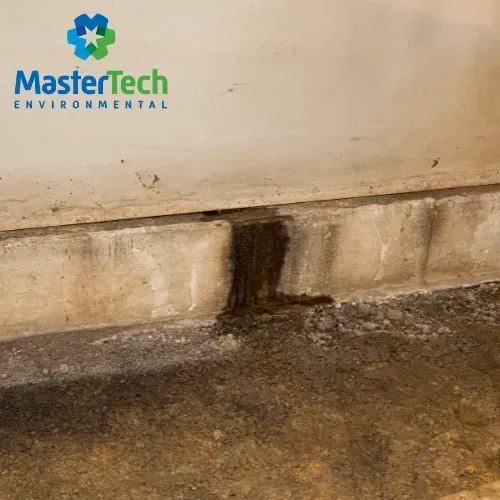
- Moisture retention in insulation and soil: Paper-faced insulation and exposed soil readily absorb and retain water, increasing localized humidity and prolonging damp conditions around framing members.
- Absence of early interior warning signs: Because the leak occurs below the living space, moisture exposure often continues without visible damage inside the home, allowing mold growth to establish unnoticed.
When these conditions occur together, mold growth becomes a predictable outcome. Public health guidance issued by South Carolina environmental authorities consistently identifies persistent moisture as the primary factor in indoor mold development. Field findings in Myrtle Beach crawl spaces closely reflect this guidance.
Regional Climate Conditions That Intensify Moisture Impact
The Myrtle Beach area experiences a humid subtropical climate, with elevated relative humidity year-round. Outdoor air frequently carries moisture levels that exceed what building materials can tolerate without degradation. When this air enters crawl spaces through vents, access doors, or foundation openings, it establishes a baseline moisture load before any plumbing issues are introduced.
In this environment, water released by plumbing leaks evaporates slowly. Wood framing and subfloor assemblies remain damp longer than they would in drier climates. Condensation on plumbing lines and HVAC components further contributes to moisture accumulation, particularly during summer months when temperature differentials are greatest.
Many homes along the Grand Strand utilize vented crawl spaces. While historically intended to promote drying, vented designs in humid coastal climates often increase moisture exposure by introducing warm, moisture-laden air. As a result, plumbing leaks in Myrtle Beach crawl spaces tend to persist and interact with ambient humidity, accelerating mold growth.
Plumbing Leak Sources Common to Myrtle Beach Homes
Crawlspace mold inspection Myrtle Beach investigations reveal recurring plumbing-related moisture sources that are characteristic of regional housing stock. These sources are not unusual or rare. They reflect common failure points in residential plumbing systems.
The most frequently identified sources include:
- Bathroom plumbing failures : Deteriorated toilet wax rings, loose shower drains, and aging tub connections introduce repeated moisture into subfloor assemblies beneath bathrooms.
- Kitchen and utility piping issues: Pinhole leaks in older copper lines, loose compression fittings, and improperly routed appliance drains release water gradually and often without detection.
- Mechanical systems located near crawl spaces: Water heaters, HVAC condensate lines, and drain pans can introduce significant moisture when components fail or maintenance lapses occur.
In each case, the moisture release is typically incremental and ongoing rather than sudden. In Myrtle Beach crawl spaces, this distinction is critical. Incremental moisture exposure is more likely to remain present long enough to alter material conditions and support fungal growth.
Mold Establishment Beneath the Home
Once moisture is present, mold growth can begin quickly. Building science research and industry standards indicate that fungal colonization can occur within 1 to 2 days when organic materials remain damp. Crawl spaces provide favorable conditions, including darkness, limited airflow, and abundant organic substrates.
As mold develops beneath the home, it does not remain isolated. Air movement driven by pressure differentials draws crawl space air upward into the living space. Odors, spores, and microbial byproducts migrate into occupied areas, affecting indoor air quality and occupant comfort.
This process explains why homeowners often notice symptoms inside the home before identifying conditions beneath it.
Indicators That Warrant a Crawlspace Mold Inspection
Early indicators of crawlspace mold are often subtle and easily overlooked. Persistent musty odors, particularly during humid weather or after rainfall, are among the most common warning signs. Flooring may exhibit cupping, softening, or abnormal temperature changes. Baseboards may show discoloration or moisture damage. Paint or wall coverings near floor level may deteriorate.
Some occupants experience respiratory irritation or allergy-like symptoms that improve when away from the home. Unexplained increases in water utility bills may also indicate hidden plumbing leaks contributing to crawl space moisture.
In the Myrtle Beach region, these indicators warrant a professional crawlspace mold inspection. Delaying evaluation allows moisture exposure and mold growth to expand, increasing the scope and complexity of remediation.
Long-Term Protection for Myrtle Beach Homes
Crawlspace mold associated with plumbing leaks is common in the Myrtle Beach area because environmental conditions support it. However, it is preventable.
Regular crawl space evaluations, prompt plumbing maintenance, effective drainage, vapor barriers, and humidity control significantly reduce risk. Many homeowners are transitioning toward sealed or conditioned crawl spaces due to the limitations of vented designs in humid coastal climates.
Local experience is critical in addressing these issues. Understanding how moisture behaves beneath homes in this region allows for accurate diagnosis and durable solutions. When early warning signs are present, a timely crawlspace mold inspection Myrtle Beach homeowners can rely on helps protect both the structure and the occupants.
In this climate, plumbing leaks beneath the home rarely resolve on their own. Without intervention, they persist, accumulate, and create conditions that support mold growth. Early identification and correction remain the most effective means of prevention.