How We Approach Crawl Space Mold Inspections in Myrtle Beach, and Why the Details Matter
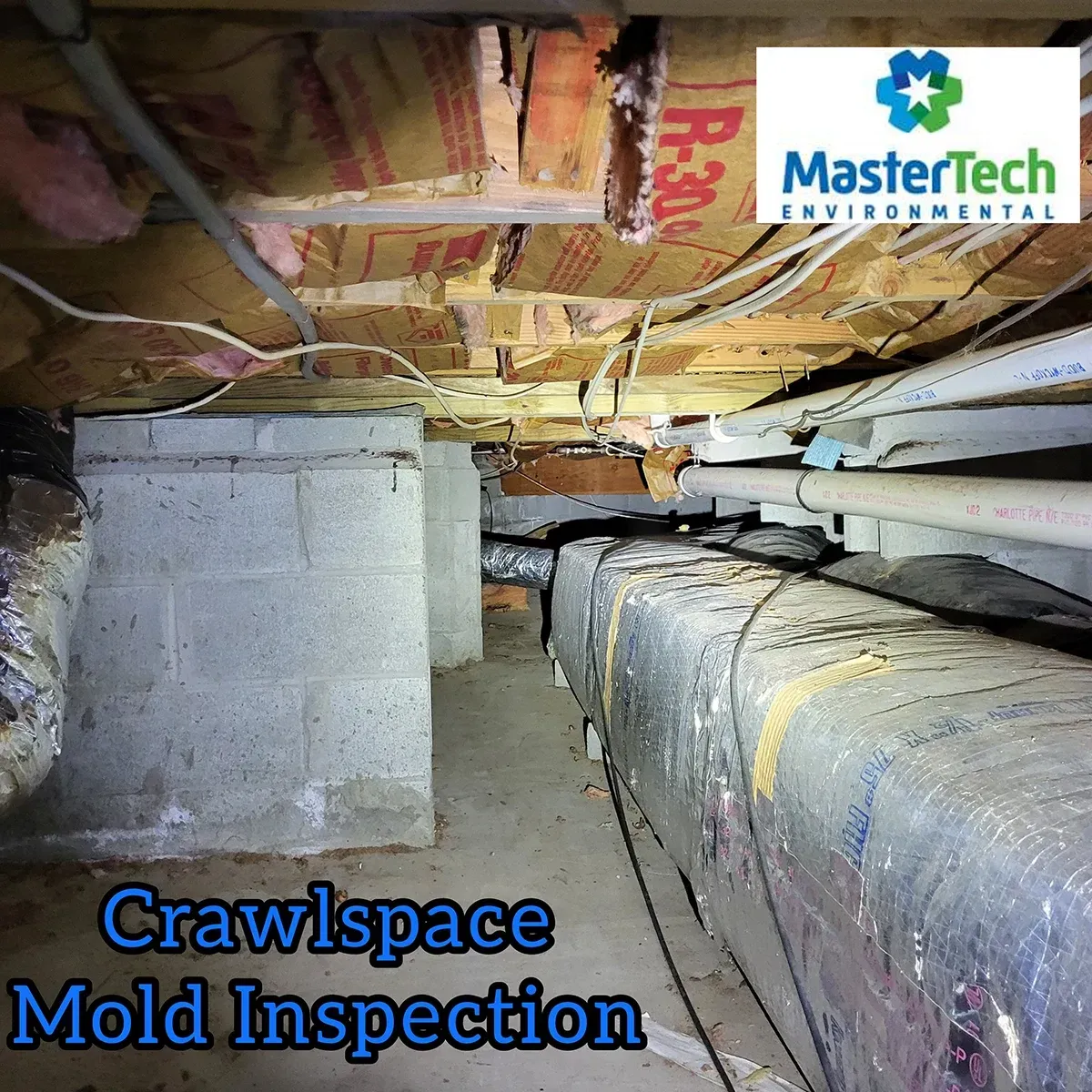
When we inspect a crawl space for mold in Myrtle Beach, we start with a simple assumption: if mold is present, moisture has been winning for a long time. Crawl space mold rarely appears overnight. It develops slowly, quietly, and usually out of sight, which is why so many homeowners are caught off guard when it finally becomes noticeable.
Our job is not just to confirm that mold exists. Our job is to understand why it exists, how long conditions have supported it, and what will happen if those conditions are left unchanged. That mindset shapes every step of our inspection process. We do not rush and do not rely on a single tool or shortcut, because a single factor rarely causes crawl space mold in a coastal environment like Myrtle Beach.
Why Myrtle Beach Crawl Spaces Behave Differently
Myrtle Beach creates a unique set of challenges beneath homes. Warm air holds more moisture, and coastal humidity keeps that moisture from dissipating. Even homes that appear dry above ground often have crawl spaces that remain damp year-round due to vapor rising from the soil, condensation on cooler surfaces, and limited airflow.
What makes this dangerous is that mold does not require visible water. Sustained humidity and mildly damp materials are enough. Wood framing, subflooring, and insulation all become food sources once moisture levels stay elevated long enough.
When we walk into a crawl space here, we are thinking about moisture history, not just present conditions. Mold is a symptom. Moisture behavior is the disease.
Visual Assessment: Learning the Crawl Space Before Testing It
The first thing we do in a crawl space is slow down.
Before we take a single reading or power on a camera, we observe how the crawl space functions as a system. We look at how air moves, how materials interact, and how moisture might be entering or becoming trapped. Crawl spaces tell stories if you know how to read them.
We are paying attention to details like uneven staining on joists, insulation that has pulled away from the subfloor, corrosion on metal components, and subtle patterns that suggest long-term humidity exposure rather than a one-time event. These clues help us understand whether moisture is seasonal, constant, or worsening.
This step also allows us to identify areas of concern that deserve closer analysis later. Everything we observe is digitally documented, so there is no ambiguity about what we saw or why it matters. A proper inspection should never rely solely on vague descriptions or memory.
Visual assessment sets the foundation, but we never stop there. In Myrtle Beach crawl spaces, the most serious problems are often the ones you cannot see.
Moisture Mapping: Understanding Where Moisture Lives and Travels
Once we understand the layout and visible conditions, we begin moisture mapping. This is where inspections move from observation to diagnosis.
Moisture does not distribute itself evenly in a crawl space. One area may dry quickly while another stays damp for months. Vapor pressure, soil composition, airflow, and temperature differences all influence where moisture settles.
Through moisture mapping, we identify patterns that reveal how water behaves beneath your home, including:
· Areas that remain damp even during dry weather
· Moisture gradients that suggest vapor intrusion from the soil
· Zones where condensation repeatedly forms on framing or ducts
This step matters because mold follows consistency. If moisture keeps returning to the same areas, mold will too. Moisture mapping allows us to focus on causes rather than chasing visible growth wherever it appears.
Moisture Meters: When Materials Tell a Different Story
Many crawl spaces look deceptively dry. That is why we rely heavily on moisture meters.
Wood and masonry are porous. They absorb moisture and slowly release it, which means materials can support mold growth long before surface damage becomes obvious. Moisture meters allow us to measure what the eye and hand cannot detect. We use these readings to understand:
· Whether wood framing is holding moisture above safe levels
· If foundation walls are retaining moisture from surrounding soil
· Which areas are most likely to support ongoing mold growth
These measurements turn suspicion into certainty. They also allow us to explain risk clearly and objectively. Instead of saying something feels damp, we can show exactly how wet materials are and why that matters for mold and structural health.
Thermal Imaging: Revealing What Is Actively Feeding the Problem
Thermal imaging adds another layer of clarity to our inspections. Using infrared technology, we can detect temperature differences that often indicate the presence of moisture.
Wet materials behave differently from dry ones. They retain heat differently and cool faster due to evaporation. Thermal cameras translate those differences into visible patterns that show us where moisture is hiding. This tool allows us to:
· Detect moisture trapped behind insulation or finishes
· Identify active leaks before staining appears
· Confirm whether moisture issues are ongoing or historical
Thermal imaging is especially valuable in tight crawl spaces where access is limited. It helps us determine whether moisture is still actively feeding mold growth or whether conditions have changed. That distinction is critical because remediation without moisture control is never permanent.
Mold Testing: Confirming What the Inspection Reveals
By the time we consider mold testing, we already understand the crawl space. Testing is not used to guess blindly or create fear. It is used to add clarity when data is helpful. In certain situations, testing allows us to:
· Confirm elevated airborne spore levels
· Determine whether crawl space conditions are affecting indoor air
· Identify mold types when conditions warrant it
In Myrtle Beach homes, where crawl spaces often communicate directly with living areas, this information can be essential. Testing strengthens conclusions that have already been formed through observation and measurement. It does not replace judgment; it supports it.
Reporting Our Findings: Turning Complexity Into Understanding
A crawl space mold inspection should leave you informed, not overwhelmed. That is why we place so much emphasis on clear reporting. Our reports are designed to explain:
· What we found
· Why it matters
· What conditions are driving the problem
· What steps make sense moving forward
Photos, readings, and observations are all tied together, so recommendations are never generic. If remediation is needed, it is directly connected to evidence gathered during the inspection. Nothing is assumed, and nothing is exaggerated.
Why This Approach Works
Our inspection process works because it respects the complexity of crawl space mold, especially in a coastal climate like Myrtle Beach. Mold is not just something you remove. It is something you understand first.
By combining careful observation, moisture diagnostics, advanced imaging, selective testing, and clear reporting, we create inspections that lead to lasting solutions. We do not rush this process because rushed inspections produce false confidence and recurring problems.
If mold exists beneath your home, the answers are there. The difference is knowing how to find them and taking the time to do it right.